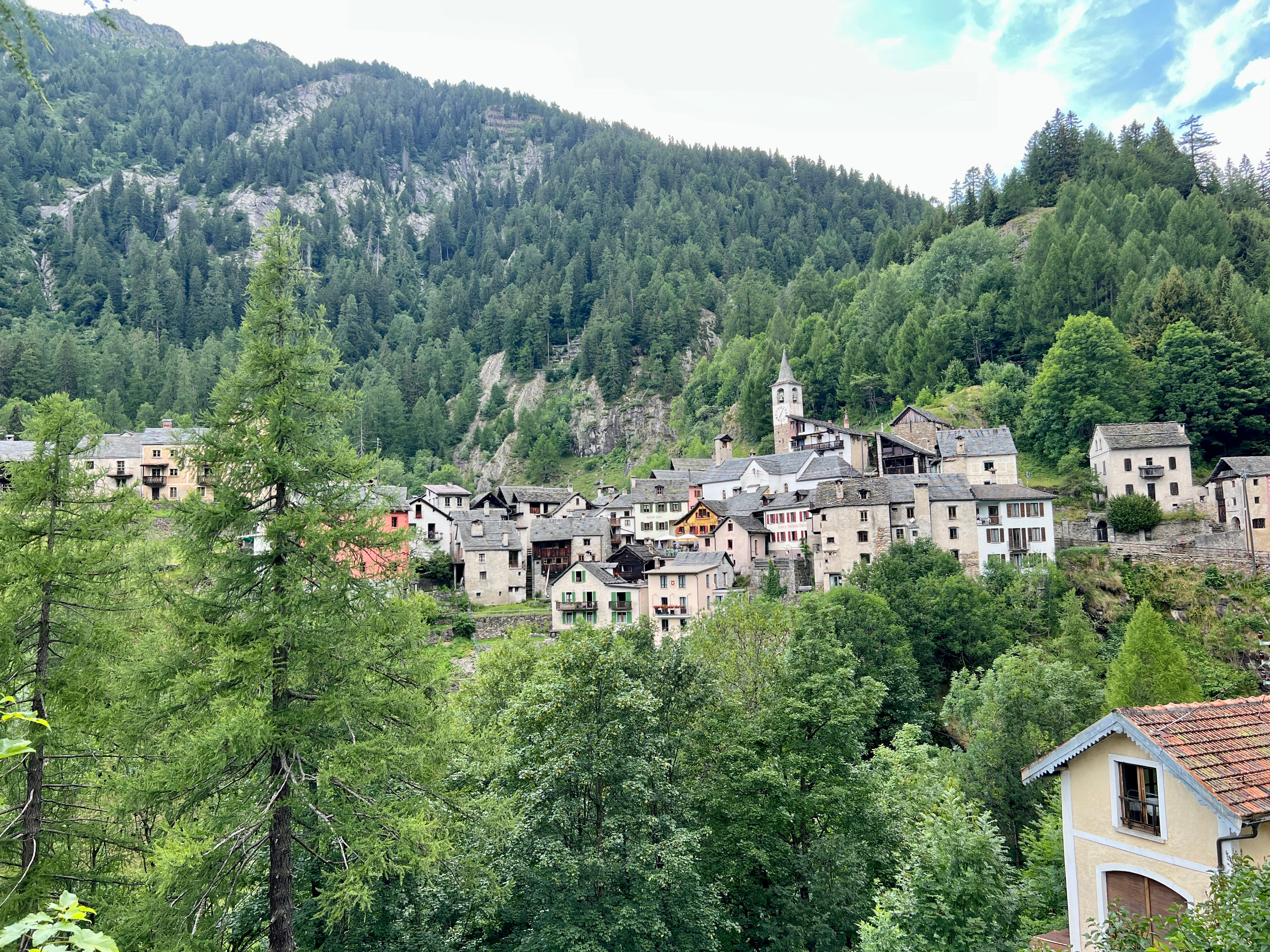
I am deep in the Swiss Alps while writing this, at the end of a winding road in a valley of Lavizzara few have heard of, there’s a village called Fusio. Altitude: 1,280 meters. Permanent residents: under 50. But there’s a hotel. And in its quiet reading room—next to shelves of travel journals and faded hardcovers—sits a Nespresso machine. Push a button, and hot espresso appears. No charge. No fanfare. Just comfort.
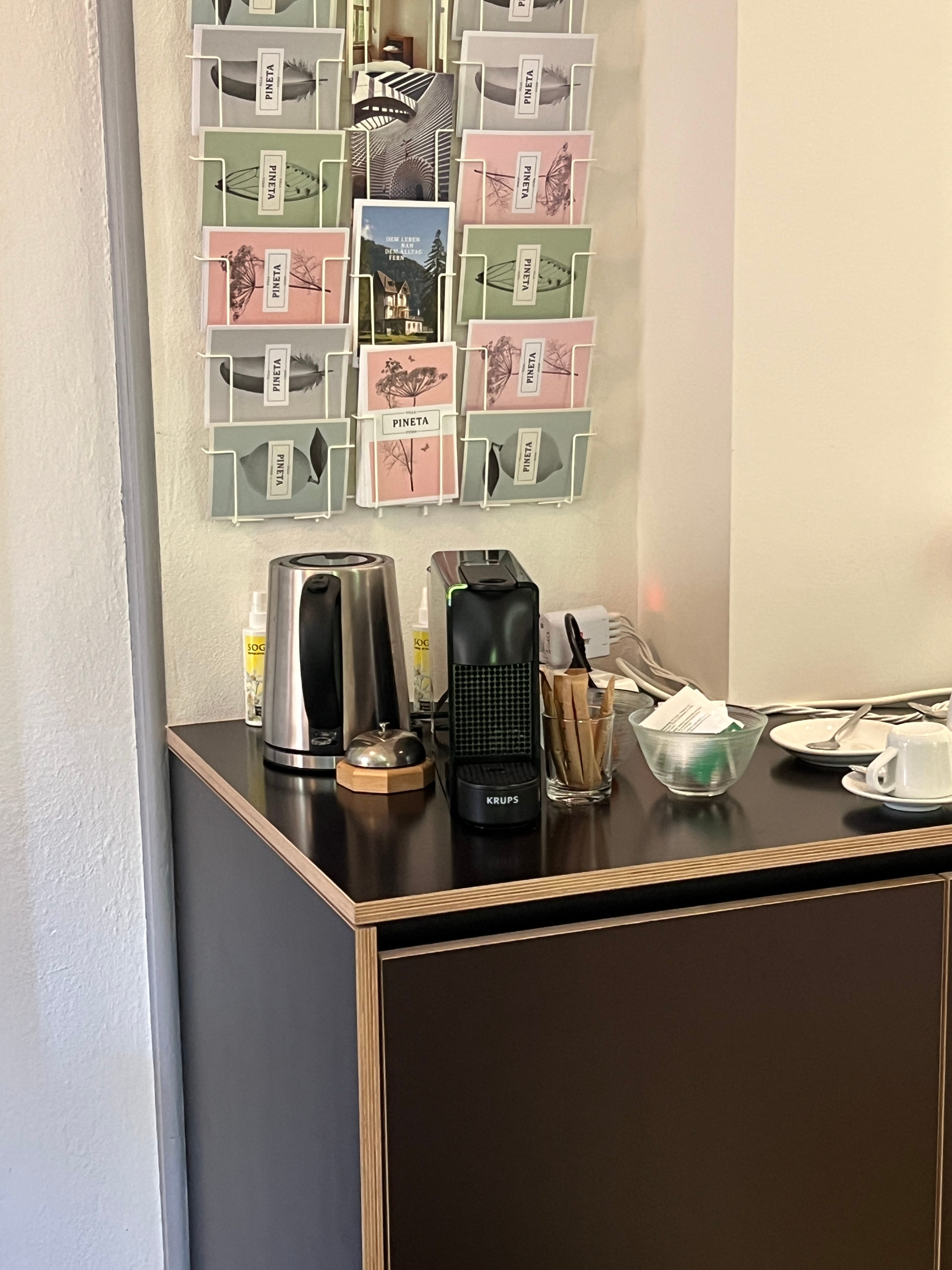
It feels effortless.
It’s not.
Behind the button: Who made this possible?
That single cup of capsule coffee is the endpoint of a complex, transcontinental ecosystem. Here's who is involved—by name or by role:
At origin
Coffee Farmers – in Colombia, Brazil, Ethiopia, Vietnam. Each Nespresso blend is traceable to origin.
Local Cooperatives & Agronomists – supporting farmers with training, often through Nespresso's AAA Sustainable Quality™ Program.
Exporters & Green Coffee Traders – such as ECOM, Volcafé, or Sucafina, who move beans from farms to ports.
In transit
Logistics Providers – sea freight companies, port handlers, customs agents.
Insurance Brokers – covering the beans during transit across oceans and borders.
Storage Operators – managing temperature-controlled warehousing of green beans, often in Europe.
In Switzerland
Nespresso Roasting Facilities – e.g., Romont and Avenches.
Capsule Production Teams – engineers, technicians, and machine operators who roast, grind, and seal the coffee in aluminum pods.
Packaging Designers & Suppliers – creating the box, sleeve, insert, and branded look.
Sustainability Teams – working on capsule recycling systems and carbon reduction.
Behind the brand
Marketing & CX – Global teams managing product naming, ad campaigns (George Clooney included), and loyalty systems.
Procurement & Supply Planning – coordinating inventory levels and delivery forecasts across dozens of countries.
IT, ERP, E-Commerce – digital infrastructure teams making it possible for orders to be placed, processed, tracked.
On the road
National Distributors – handling Nespresso Professional deliveries to hospitality clients.
Hospitality Wholesalers – providing Nespresso products alongside linens, breakfast buffets, and mini-fridges.
Drivers & Couriers – navigating narrow roads, alpine tunnels, seasonal closures.
Hotel Owner in Fusio – placing the order, stocking the shelf, training the staff.
At the point of experience
Housekeepers & Receptionists – refilling the pods, cleaning the machine.
Electric Utility Providers – powering the machine in a rural grid.
Municipal Waste Handlers – collecting used capsules (aluminum + coffee grounds) or routing them to Nespresso recycling streams.
And finally, you, the guest.
The illusion of simplicity
To you, it’s a free coffee in a quiet reading room.
To everyone else in this chain, it’s an act of value creation, orchestration and absorbation.
It requires:
Multi-continent agricultural precision
Industrial engineering
Brand management
Fine-grained logistics
Last-mile courage
And a shared belief that even here, at the edge of reachability, quality should arrive on time
This coffee is not "free". It's a gift engineered through capital, infrastructure, and social signaling.
When the road disappeared (Summer 2024)
In the summer of 2024, these valleys were hit by relentless storms. Weeks of heavy rain soaked the alpine soil. Then came the landslides.
One by one, the narrow roads into high mountain valleys gave way. In some places, entire hillsides slid into the river below. Bridges were swept away. Power lines snapped. Fusio was cut off.
For days, there was no road access. No deliveries. No tourist buses. No backup.
And inside a quiet hotel library, the Nespresso machine kept humming—until it didn’t.
The pods ran out.
No resupply was coming.
Guests began cancelling. Others found themselves stranded.
The mountains, beautiful and brutal, reclaimed their dominance.
In that moment, the coffee machine in the library became a symbol of how deeply hospitality relies on global infrastructure—invisible until it fails.
It wasn't about caffeine anymore.
It was about what vanishes in a supply chain when the world pulls away.
A capsule of coffee. A light switch. A road.
Small things, all dependent on long, delicate chains.
One storm snaps them—and you’re reminded just how thin the thread really is.
The true cost is interdependence
I’m not a coffee trader. I can’t price each capsule down to the cent. But I do know this:
Behind every “free” cup is a lattice of relationships and risks, stretching from Ethiopian hillsides to a fuse box in Ticino.
If any one node fails—if the road washes out, if the driver’s route is cut, if a packaging line stops—the illusion of seamless luxury breaks down. The reading room loses its modernity. The village becomes real again.
Why this matters
We are used to thinking of remote luxury as "simple". It isn’t.
It’s precarious. Curated. Finely tuned.
That capsule coffee is an object of soft power—an embedded reminder that globalization still works, even here.
Until it doesn’t.
Final thought
One capsule.
A thousand hands.
One road.
One landslide.
This is the real story of a coffee in the Alps.
Not what it tastes like. But what it reveals of value ecosystems.
P.S: Stuck with this topic and need hands-on help?
You can book me for workshops, keynotes, or one-on-one sparring – Let’s talk.